



10 Signs of Poor Gut Health & How to Fix It
Maintaining a balanced gastrointestinal tract is essential for your body’s overall well-being, yet many people routinely ignore the subtle signs of poor gut health until chronic issues arise. Your gastrointestinal tract is home to trillions of living microorganisms collectively known as the gut microbiome. When this internal ecosystem is flourishing, it effortlessly processes nutrition, fortifies your immune response and keeps your elimination regular. However, when poor food choices, environmental toxins, chronic stress or antibiotic overuse disrupt this delicate balance, your body begins to express its distress through a wide range of localized and systemic symptoms.
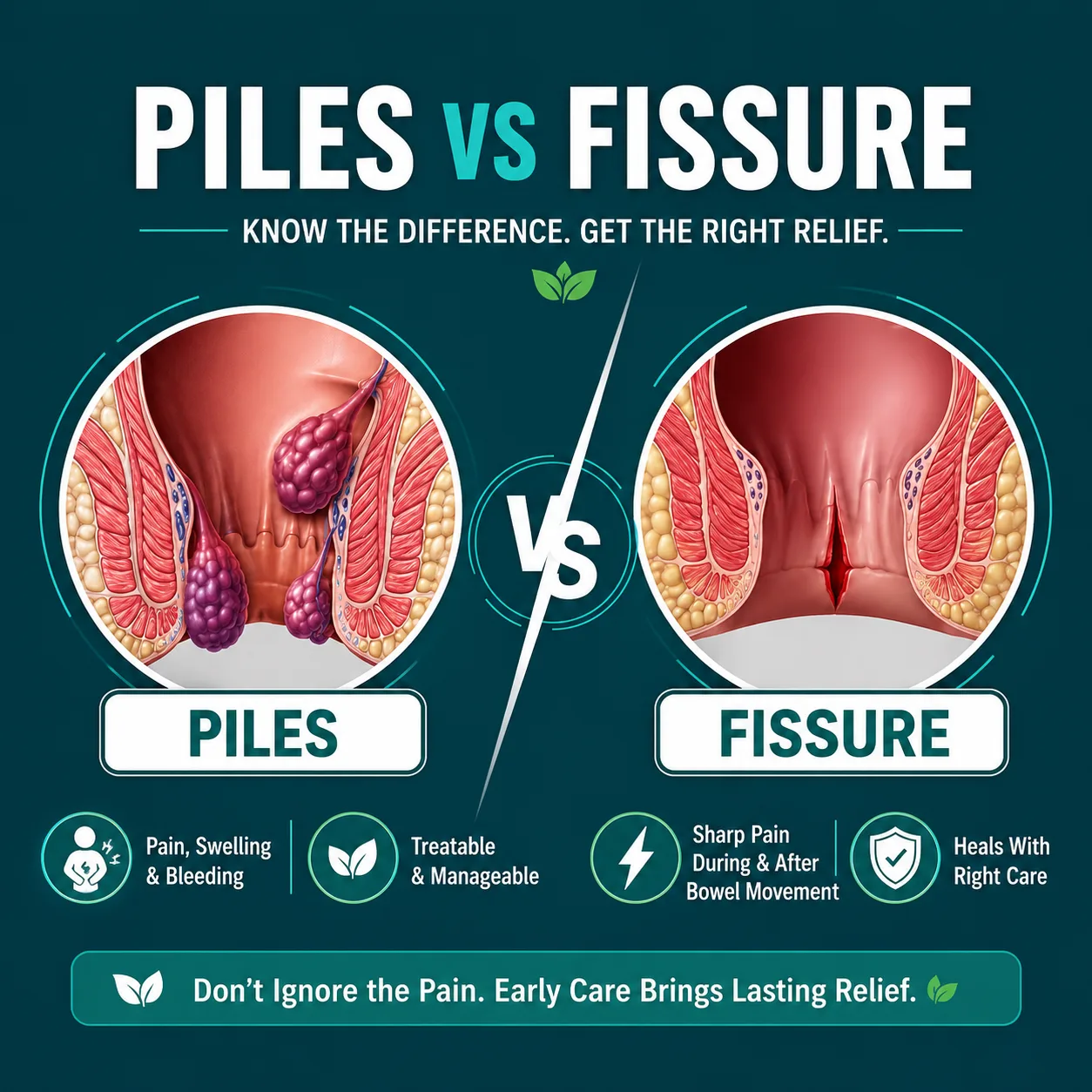
Failing to recognize these early warning signals can lead to chronic digestive discomfort, systemic inflammation and a weakened gut lining. By learning to identify the classic warning indicators of an unhealthy gut, you can take proactive, natural steps to heal your digestive system, clear out toxic buildup and avoid the chronic constipation that causes painful pelvic issues like piles.
The Hidden Impact: Chronic Digestive Discomfort and Dysbiosis
When you experience ongoing digestive irregularities, your body is often dealing with intestinal dysbiosis a state where harmful bacteria and fungi outnumber your beneficial microbes. This microbial imbalance impairs your gut’s ability to break down food efficiently, leading to persistent fermentation and gas production in your intestines.
If left unaddressed, severe dysbiosis can weaken the structural integrity of your intestinal walls, a condition frequently referred to as leaky gut. When this happens, microscopic food particles and toxins escape directly into your bloodstream, causing your immune system to remain in a constant state of high alert. Recognizing the signs of poor gut health allows you to intervene early, protecting your gut lining before chronic inflammation takes hold.
10 Critical Signs of an Unhealthy Gut
If you regularly experience several of these signs of poor gut health, your digestive ecosystem needs closer attention:
1. Persistent Gas, Bloating and Heavy Belching
While passing occasional wind is a completely normal part of digestion, experiencing heavy bloating and gas after every meal indicates that your food is fermenting rather than breaking down cleanly. This is a primary indicator that your digestive enzymes or beneficial bacteria levels are low.
2. Chronic Constipation or Straining
Passing hard, dry stools or needing to strain during bowel movements means your gut motility has slowed down significantly. This chronic straining increases localized venous pressure, which is a direct root cause of painful hemorrhoids and anal fissures.
3. Frequent Loose Stools or Unpredictable Diarrhea
On the flip side, experiencing frequent, urgent rushes to the bathroom means your intestinal lining is irritated and inflamed, causing your system to expel waste material before nutrients can be properly absorbed.
4. Intense, Uncontrollable Sugar Cravings
A microbiome dominated by yeast and pathogenic bacteria can actively alter your behavior. These harmful microbes thrive on refined carbohydrates and simple sugars, sending chemical signals up the vagus nerve to trigger intense food cravings that keep them fed.
5. Sudden, Unexplained Weight Fluctuations
Gaining or losing weight without making changes to your diet or workout routine can point to a compromised gut. An unhealthy microbiome can impair nutrient absorption and disrupt how your body regulates blood sugar and stores body fat.
6. Constant Fatigue and Sluggishness
A vast majority of your body’s serotonin the neurotransmitter responsible for mood, sleep and your internal body clock is manufactured directly inside your gut. When your microflora is out of balance, your sleep quality drops, leading to chronic morning fatigue.
7. Chronic Skin Irritation and Flares
The connection between your gut and your skin is incredibly strong. When a leaky gut allows toxins to slip into your bloodstream, your body frequently tries to expel those impurities through your skin, resulting in sudden flare-ups of eczema, acne or rashes.
8. New Food Intolerances and Sensitivities
If you suddenly find it difficult to digest foods that never used to bother you such as dairy or gluten it often indicates that a lack of diverse gut bacteria is preventing your system from breaking down those complex proteins cleanly.
9. Persistent Brain Fog and Poor Concentration
Because your gut and brain communicate continuously through the gut-brain axis, local intestinal inflammation can trigger inflammatory responses in your central nervous system, leading to memory lapses and difficulty focusing at work.
10. Frequent Immune System Weakness
With more than 70% of your body’s immune system residing inside your gut tissue, a depleted microbiome leaves you vulnerable to catching every cold, flu or seasonal bug that circles your workplace.
The Core Blueprint: How to Rebuild and Fix It
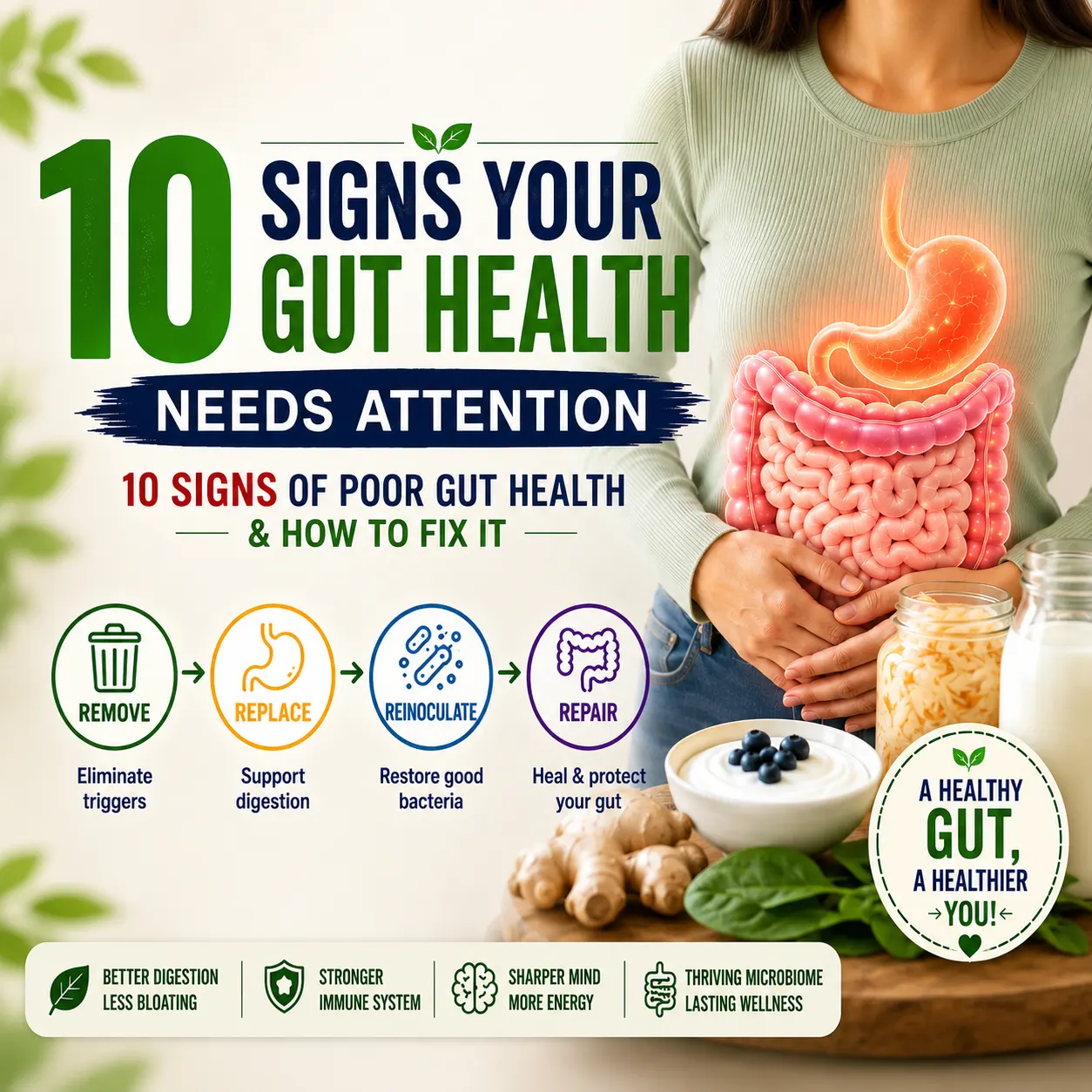
Stage 1: REMOVE → Clear out inflammatory foods, sugars and triggers.
Stage 2: REPLACE → Reintroduce vital digestive enzymes and organic acids.
Stage 3: REINOCULATE → Rebuild microflora using high-quality probiotics.
Stage 4: REPAIR → Mend the intestinal wall with soothing nutrients.
To systematically reverse the signs of poor gut health, traditional and modern protocols focus on the four stages of gut healing:
- Remove: Eliminate the five worst foods for gut health from your daily menu: refined sugars, artificial sweeteners, heavily processed meats, hydrogenated frying oils and excessive alcohol.
- Replace: Introduce natural bitters, raw apple cider vinegar or fresh ginger before your main meals to help stimulate your body’s natural production of gastric juices and bile acids.
- Reinoculate: Bring back beneficial bacteria by eating traditional fermented foods like plain Greek yogurt, unpasteurized kefir, sauerkraut or taking a high-quality probiotic supplement.
- Repair: Provide your body with the structural building blocks it needs to mend a leaky gut lining by consuming nutrient-dense bone broths or supplementing with L-glutamine and pure aloe vera gel.
Direct Strategy Guide for Gut Recovery
| Current Gut Warning Sign | Simple Dietary Action | Primary Healing Goal |
| Severe Bloating & Gas | Eliminate artificial sweeteners and carbonated drinks | Drops intestinal fermentation immediately |
| Chronic Constipation | Drink 3 liters of water + take psyllium husk daily | Softens the stool to eliminate painful bowel straining |
| Intense Sugar Cravings | Shift to prebiotic fibers like garlic, onions and oats | Starves out harmful bacteria and nourishes good strains |
| Brain Fog & Fatigue | Introduce a daily 15-minute post-meal walking routine | Boosts natural gut motility and clears out metabolic waste |
The 7-Day Gut Reset: A Simple Kickstart Strategy
If your digestive system needs immediate attention, committing to a 7-day gut reset can help soothe acute inflammation and get your system moving smoothly again:
- Days 1 – 3 (The Cleanse Phase): Completely remove all ultra-processed snacks, dairy and refined grains. Focus your meals entirely on easily digestible foods like warm bone broths, steamed vegetables and lean proteins cooked with warming spices like ginger, cumin and fennel.
- Days 4 – 5 (The Replenish Phase): Keep up your clean eating habits and start adding a daily small portion of fermented foods, such as a spoonful of raw sauerkraut or a half-glass of plain kefir, to introduce fresh, beneficial bacteria.
- Days 6 – 7 (The Maintenance Phase): Focus on building long-term habits by drinking plenty of water, getting a full eight hours of sleep and avoiding cold, iced drinks during meals to support a strong digestive fire.
Paying close attention to the early signs of poor gut health is the key to preventing long-term digestive complications. By identifying symptoms like persistent bloating, chronic constipation, skin breakouts and brain fog early on, you can make the necessary lifestyle adjustments to restore balance to your system. Focus on eliminating inflammatory foods, supporting your digestion with warming kitchen spices and giving your body the hydration it needs. Taking care of your microbiome today will naturally increase your energy, protect your intestinal lining and ensure smooth, comfortable elimination for years to come.