



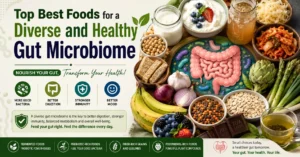
Top Best Foods for a Diverse and Healthy Gut Microbiome
Top Best Foods for a Healthy and Diverse Gut The microbiome are vital for maintaining the complex, active ecosystem of trillions of tiny organisms that live in your digestive tract. This complicated community of bacteria, viruses, fungi and other microbes acts as a little known organ and it’s vital to your digestion, metabolism, immune system and even your mood.
The secret to a strong gut microbiome is diversity. A wide range of beneficial bacteria helps create a healthy digestive environment. This environment can better fight off harmful germs, digest complex nutrients and lower chronic inflammation. On the other hand, an unbalanced microbiome can cause uncomfortable digestive problems. These include bloating, irregular bowel movements and chronic straining, which is a major cause of painful anorectal issues like piles.
The best way to change your gut’s ecosystem with diet is by making it microbiome-friendly through food being eaten at the table on purpose. By making your diet microbiome-friendly, you will create an environment to feed and support the healthy bacteria in your gut and improve your health.
The Core Pillars of a Microbiome-Friendly Diet
You must classify your food into 2 main types of nutrition; Probiotic and Prebiotic, to know what to feed your gut.
- Probiotics are livings friendly bacteria present in some food sources, that will provide you more strains of friendly bacteria to populate your digestive system.
- Prebiotics are non-digestible plant fiber that provides food for the friendly bacteria already present in your digestive system and causes them to grow and reproduce.
Ultimately, a truly gut-healthy diet, supports the benefits of both types of nutrition with ease to provide an environment for the healthful bacteria to flourish.
1. Fermented Healthy Foods (The Probiotic Powerhouses)
The quick way to seed your gut with healthy live bacteria: fermented foods. The list of fermented foods below is a fantastic example.Fermented foods rely on an aging process to introduce microorganisms into food that causes a break-down of carbohydrate-containing ingredients, resulting in organic acids for food preservation.
Kefir and Live-Culture Yogurt
Sure your basic yogurt offers some nutritional goodness but traditional kefir-a fermented beverage-takes the title when it comes to gut health. The fermented milk concoction carries nearly three times the variety of probiotic bacteria strains and yeast than standard yogurt typically does. Always choose products labeled with the words “contains live and active cultures” when purchasing, as heavily processed, sugared out versions of each feed the bad guys lurking in your tummy.
Sauerkraut and Kimchi
This duo of fermentation on the front-end in regards to fermentation comes up high for excellent gut health. Fermented sauerkraut-aka shredded cabbage-and spicy, seasoned fermented Korean vegetable mixture Kimchi are packed with Lactobacilli-bacterial strains that are known to fuel you. In addition to probiotics you’ll gain dietary fiber, plus vitamins C, K and iron in each bite, however just be sure you snag these from the refrigerated section and that they haven’t undergone heat pasteurization, since this process slaughters off your friendly bacteria.
Kombucha and Tempeh
Fermented sweet tea drink kombucha offers you an array of useful bacteria and yeast cultures in its tangy bubbly mixture, and then there’s tempeh, a product derived from fermented soybean that not only supports a healthy gut, but works as a hearty, high fiber protein source with the ability to improve bowel regularity.
2. Prebiotic-Rich Healthy Foods (Fueling Your Good Bacteria)
But without that food source – like buying a gardener seeds and not giving them soil – they’ll just… Wilt. In order to maintain those thriving colonies of good bacteria, you’ll need to focus on eating meals high in prebiotics on the regular.
Garlic, Onions and Leeks
These simple aromatics are loaded with the soluble fiber inulin. Inulin escapes our upper digestive tract unscathed and makes its way to our colons, where our native friendly bacteria fermentation-happy bacteria set to work fermenting the fiber for their own benefit and ours. Short-chain fatty acids produced from this fermentation such as butyrate feed the gut lining.
Asparagus and Artichokes
Globe artichokes and sunchokes (Jerusalem artichokes) are packed with the highest concentrations of prebiotic fiber found naturally. Asparagus has a good combination of soluble and insoluble fiber to promote good gut flow.
Slightly Green Bananas
Slightly greenish and not fully ripe bananas are extremely high in resistant starch, a starch that is resistant to digestion by our small intestine and makes its way to our large intestines undeterred. These resistant starch makes are premium fuel for organisms like Bi-fido bacteria.
3. High-Fiber Grains and Legumes
Dietary fiber is the base from which most of the best foods for gut health are constructed. Too little fiber and stools become hard and dry; too much and your digest will sluggish, exacerbating all of the pressure that can contribute to and worsen hemorrhoids.
- Oats and Barley: Whole grains such as oats and barley are sources of beta-glucan, a type of soluble fiber that forms a gel in your stomach and in your small intestine that slowly your digestion for better nutrient absorption and feed microbes.
- Lentils, Chickpeas and Beans Legumes: These are kings of the healthy gut foods- they have a broad range of fiber types that contribute to diversity in the microbial population and offer up the great plant protein as well.
4. Polyphenol-Rich Foods
Polyphenols are the group of plant compounds that most people associate with antioxidants. However, your small intestine doesn’t properly digest most polyphenols. Rather, they enter your colon and are metabolized into active beneficial compounds by your gut flora.
- Berries and Cocoa: Blueberries, blackberries, and dark chocolate (70% cacao or more) are rich sources of polyphenols that have a selective, growth-promoting effect on the populations of Lactobacillus and Bi-fido bacteria species while at the same time inhibiting detrimental bacterial proliferation.
- Green Tea: Daily intake of green tea introduces into the colon catechin polyphenols that can have a locally anti-inflammatory effect along the intestinal lining.
Practical Tips for Building Prebiotic-Rich Meals
It’s not that difficult to switch to an environmentally conscious cuisine without going to major and uncomfortable life changes. Upgrade your current menu by adding these easy tricks and ideas:
- Strive for 30 Plant Varieties a Week: People who consume 30 distinct varieties of plants a week boast the most diverse microbiomes, far more so than those who subsist on fewer than 10. Include your vegetables, fruits, legumes, seeds, grains, nuts, and also herbs.
- Transform Your Morning Menu: Forget sugary processed cereal! Enjoy a healthy dose of steel-cut oats, a spoon of kefir, a handful of berries, some flaxseeds, and half a banana that you can sprinkle on top.
- Introduce Changes Slowly: If your current diet is low in fiber, start incorporating prebiotics as well as fermented products little by little throughout two weeks. Jumping onto a high fiber diet rapidly overnight will temporarily bring about issues with the digestive system and bloat, whereas your microbes will acclimatize.
- Always Stay Hydrated: Fiber works like a sponge within your digestive framework, therefore for normal digestion without the risk of a constipated issue, always remember to drink enough water throughout your workday.
The most responsible actions you can take to enhance your long term health and wellness and life are to support your digestive tract microbiome. It is possible by carefully picking a cuisine-friendly to nature as well as including colorful whole grains, fermented and foods high in fiber in your everyday dishes. This aids not just with digestion however also helps with improving your metabolic system, developing a reliable immune system and preventing various digestive health problems. Today you might simply add a couple of beneficial foods for the digestive tract and allow your interior setting look after everything.
Legal Warning: This article’s web content is just for instructional functions as well as should never be used for the therapy, diagnosis, or prognosis of medical problems. Enhancing the diet may certainly assist you overall guts, but an experienced physician must check serious and chronic abdominal indications for you to make sure there’s absolutely nothing else going on like an undiscovered medical problem.
