



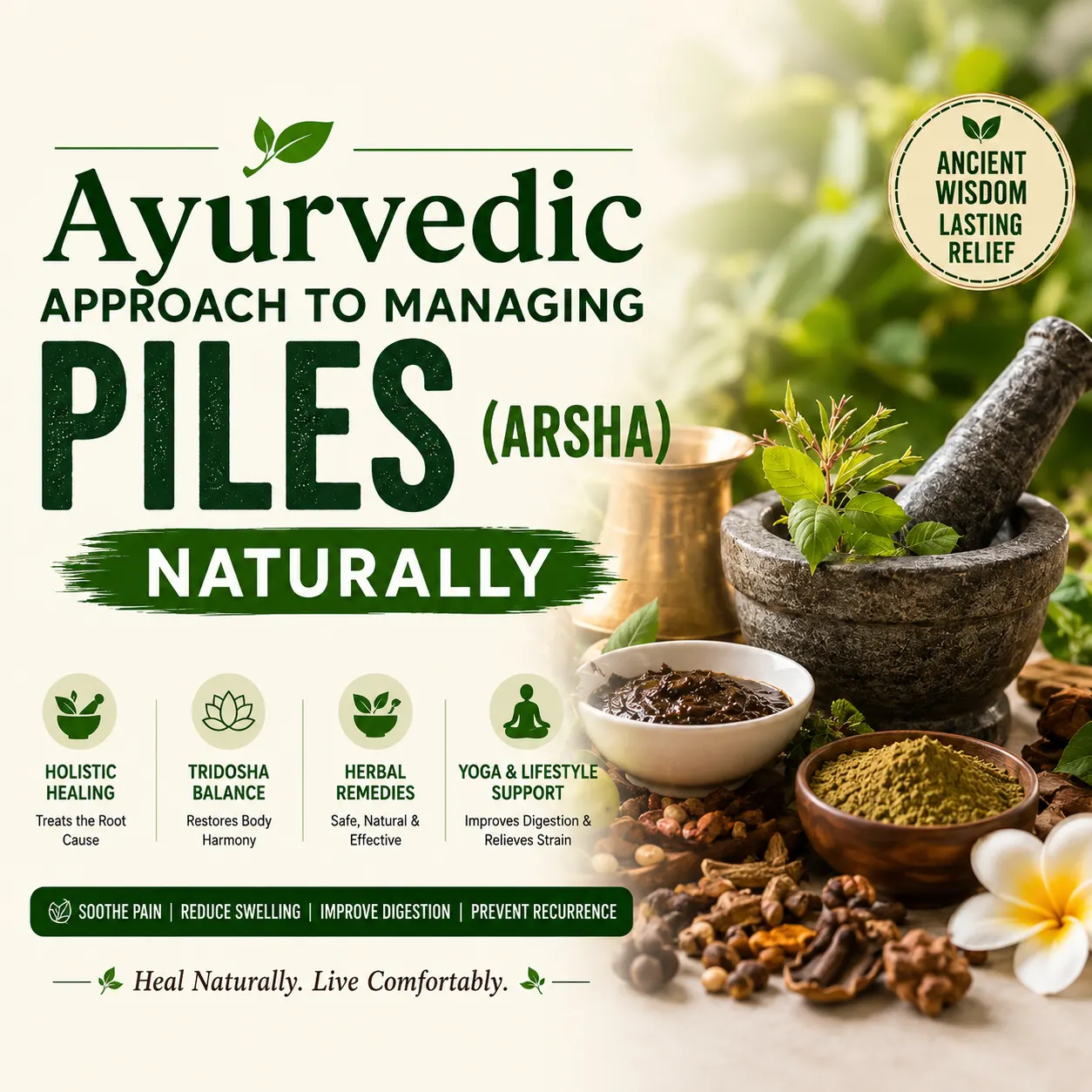
Ayurvedic Approach to Managing Piles (Arsha) Naturally
Embracing a holistic ayurvedic treatment for piles offers a safe, time-tested approach to resolving hemorrhoidal discomfort without immediately turning to invasive surgical options. In the classical texts of Ayurveda, hemorrhoids are referred to as Arsha. This painful condition is categorized not merely as a localized issue, but as a systemic manifestation of a weakened digestive fire (Agni). When your Agni becomes sluggish, food does not break down properly, leading to the accumulation of a toxic metabolic byproduct known as Ama.
This toxic accumulation settles into the large intestine, causing chronic constipation and forcing you to strain during bowel movements. The resulting downward pressure overstretches and inflames the delicate veins surrounding the anal canal, leading to painful, bleeding or protruding lumps. By focusing on a natural ayurvedic treatment for piles, you can gently dissolve piles naturally at home, soothe local inflammation and correct the foundational digestive imbalances that cause hemorrhoids to return.
Balancing the Doshas for Hemorrhoid Relief
Ayurveda views Arsha(Piles) through the lens of individual body constitutions or Doshas. While any doshic imbalance can affect your system, the condition is primarily driven by an upset in your Vata and Pitta energies:
- Vata-Type Piles: These typically present as dry, hard, dark-colored lumps that cause sharp pain, severe constipation and rough skin textures around the anal canal.
- Pitta-Type Piles: These are heavily inflamed, red and prone to significant bleeding. They are often accompanied by a burning sensation, thirst and loose stools.
A successful piles cure in ayurveda balances these specific energies by cooling excessive internal heat (Pitta) while simultaneously grounding and lubricating dry, erratic digestion (Vata).
Specific Dietary Adjustments to Soften Stool
To support an effective ayurvedic treatment for piles, you must modify your daily meals to ensure they are naturally lubricating, easy to digest and rich in natural fiber.
- Incorporate Slime-Forming and Soluble Fiber: Enjoy cooling, hydrating foods like boiled beetroot, carrots, sweet potatoes and well-cooked oats. Fruits like ripe papayas, figs soaked overnight and sweet prunes act as natural, non-irritating bowel regulators.
- Drink Fresh Takra (Buttermilk): Traditional Ayurvedic buttermilk prepared by churning plain yogurt with water, a pinch of roasted cumin power and a touch of rock salt is highly revered as one of the ultimate Arsha remedies. It stimulates your digestive fire without generating excess internal heat, improving overall gut motility.
- Avoid Inflammatory Aggressors: Completely remove ultra-processed foods, deep-fried snacks and intensely hot spices like red chili powder and raw garlic from your diet. These foods dry out the colon and cause chemical burning across healing tissues.
Traditional Herbal Remedies for Arsha
When choosing a reliable Ayurvedic medicine for piles, several foundational botanical formulas stand out for their ability to heal internal tissues and reduce venous swelling:
Triphala Churna
This classic combination of three fruits (Amalaki, Bibhitaki and Haritaki) acts as a gentle colon toner rather than a harsh stimulant laxative. Taking a tea spoon of Triphala powder mixed with warm water before bed ensures that your stools remain bulky and soft, eliminating bathroom straining.
Abhayarishta
A traditional fermented liquid preparation that is widely considered an exceptional ayurvedic treatment for piles. It contains Abhaya (Haritaki) as its primary ingredient, which helps relieve lower abdominal pressure, carminative bloating and chronic intestinal sluggishness.
Guggulu Formulations (Triphala Guggulu)
Guggulu resin possesses powerful anti-inflammatory and tissue-binding properties. It helps reduce the physical size of external, swollen hemorrhoidal lumps by improving local micro-circulation and speeding up tissue repair.
Targeted Yoga Poses for Pelvic Circulation
Pairing your herbal routine with targeted, gentle yoga postures can significantly reduce venous congestion in the pelvic floor. These movements encourage stagnant blood to flow gently away from the lower rectum:

- Viparita Karani (Legs-Up-The-Wall Pose): Rest with your legs extended straight up against a wall while keeping your pelvis flat on the floor. This inverts your blood flow, letting gravity naturally drain pooled blood away from inflamed hemorrhoidal veins to reduce swelling.
Viparita Karani → Relieves Gravity Pressure & Decreases Swelling in Anal Veins
- Malasana (Garland Pose / Deep Squat): A gentle, wide squat aligns your rectal canal perfectly for elimination. This posture strengthens and stretches your pelvic muscles, making it easier to pass stool without forcing.
Malasana Squat → Aligns the Rectal Canal & Relaxes Pelvic Floor Muscles
- Pawanmuktasana (Wind-Relieving Pose): Gently hugging your knees to your chest while lying down massages your abdominal organs, helping to release trapped lower intestinal gas.
Pawanmuktasana → Compresses the Abdomen & Stimulates Natural Intestinal Motility
Mild Detoxification and Gentle Home Care
To safely manage an ayurvedic treatment for piles at home, implement these gentle daily detoxification and cleansing practices:
- Warm Sitz Baths with Triphala: Soak your pelvic area in a shallow tub of warm water infused with a decoction of Triphala powder for 15 minutes. This practice instantly relaxes a tight anal sphincter muscle, eases throbbing pain and sanitizes the area.
- Local Lubrication: Apply a small drop of pure coconut oil or Jatyadi Taila (a specialized Ayurvedic herbal oil) gently to the external opening before and after your bowel movements. This shields the delicate skin from friction and prevents painful tearing.
- Maintain Consistent Hydration: Drink plenty of warm or room-temperature water throughout the day. Avoid iced drinks, which can stall your digestive juices and lead to harder stools.
Quick Reference Guide to Ayurvedic Piles Management
| Therapeutic Area | Recommended Action | Core Healing Benefit |
| Stool Softening | Drink 1 glass of spiced buttermilk (Takra) daily | Re-ignites Agni and keeps bowel movements smooth |
| Reducing Vein Swelling | Take Triphala Churna or Abhayarishta before bed | Tones the colon walls to eliminate morning straining |
| Pain & Spasm Relief | 15-minute warm Triphala sitz bath | Calms irritated nerves and reduces local inflammation |
| Pelvic Fluid Drainage | 10 minutes of Legs-Up-The-Wall pose | Uses gravity to pull blood away from swollen rectal veins |
Following a structured ayurvedic treatment for piles allows you to move past temporary fixes and address the root causes of hemorrhoidal discomfort. By supporting your internal digestive fire with tailored dietary choices, traditional botanicals like Triphala and gentle yoga poses, you can naturally relieve painful venous pressure. Listen to your body’s early warning signs, protect your digestion from toxic buildup and allow these gentle, holistic practices to restore lasting comfort and balance to your daily life.
Medical Disclaimer : The information provided in this article is strictly for educational, historical and patient-awareness purposes and does not replace professional medical advice, diagnosis or treatment. Severe, long-standing or strangulated hemorrhoids may require advanced medical procedures or surgical care. If you experience persistent, heavy rectal bleeding, pass dark or black tarry stools or suffer from unmanageable, severe pain, please consult a qualified healthcare professional or proctologist immediately for a comprehensive physical evaluation.
 Written by S N
 Reviewed by Dr. Sumukhi Ravi - Ayurvedic surgeon and proctologist, BAMS, MS in Shalya Tantra (Ayurvedic surgery), KAUP 41363Dr. Sumukhi Ravi is an Ayurvedic surgeon who completed her MS in Shalya Tantra — the surgical branch of Ayurveda — and practises full-time in ano-rectal care at Jayanagar 9th Block. She works principally with Kshara Sutra and Kshara Karma, the para-surgical techniques described by Sushruta, and has published two first-author case reports on Ayurvedic wound healing.