



Triphala vs Isabgol: Which Ayurvedic Remedy Is Better For You?

Triphala vs Isabgol: which is ayurvedic remedy is better for you? The two names that reliably appear when one is searching for relief from digestive unrest, irregular evacuations, and chronic straining in the bowel are Triphala and Isabgol. Both are well-loved, household go-to medicines passed through many generations as a solution for abdominal pain.
Choosing the right digestive remedy can have a huge effect on anyone struggling with irritating anorectal ailments like hemorrhoids. An incorrect sort of laxative can induce excessive or abrupt loose stools and muscle cramps that exacerbate vulnerable anorectal tissue. Conversely, the right treatment can offer consistent solace needed to make the recovery complete.
However, even though they are meant to provide the body with a sense of peace in its gut system, the two have completely opposite operating mechanisms. Let’s take the plunge into a psyllium husk versus triphala churna battle to see which is the supreme constipation treatment based on your unique system.
What exactly is Isabgol (Psyllium Husk)?
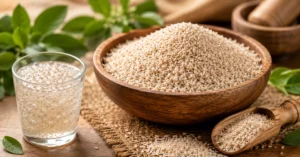
Also known globally as psyllium husk, Isabgol is derived from Plantago ovata seeds. It is part of a category called gentle bulk laxatives.
How It Works in Your Gut
Isabgol consists of nothing but pure dietary fiber, and it is all soluble. Once combined with a glass of water, Isabgol powder quickly imbibes moisture and shapes into a heavy, gooey gel.
The gel travels through your intestines and functions somewhat like a sponge. When the gel begins consuming moisture from the intestines, it boosts healthy bulk in diarrhea (looseness) and eases dry and hard stool, so that your muscles will easily be able to push the poop out without chemicals and stimulation.
What Exactly is Triphala Churna?
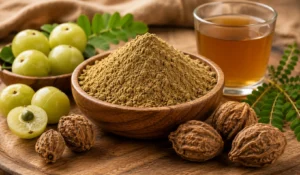
Unlike Isabgol, which is only plant fiber and a natural, chemical-free laxative, Triphala is an old, complex Ayurveda preparation of multiple natural herbs. It’s called Triphala due to the fact that ‘three’ is ’tri’ and ‘fruits’ is ‘phala,’ and it’s a precisely combined mixture of three native Indian fruits in equal portions:
- Amalaki (Indian Gooseberry): The best source of Vitamin C and an anti-inflammatory supplement that cools the digestive process. It localizes irritation and cooling to the tissues of the gut.
- Bibhitaki: Used to loosen existing stagnant toxins and dissolve excess mucus in the intestinal walls and body.
- Haritaki: Universally lauded as a moderate, natural stimulant laxative to promote tonicity in the colon wall.
How Does this Ayurvedic blend work?
Triphala Churna functions mainly as a digestive tonic and mild stimulant laxative. Rather than increasing the size of waste products through fiber as the psyllium seed does, Triphala Churnatakes an active role in stimulating the gut lining.
| Feature | Isabgol (Psyllium Husk) | Triphala Churna |
| Primary Classification | Bulk-forming dietary fiber | Polyherbal digestive tonic / Mild stimulant |
| Primary Mechanism | Absorbs moisture to create soft, heavy stools | Stimulates colon muscles and improves digestion |
| Water Requirement | Extremely High (Must drink a full glass immediately) | Moderate |
| Best Used For | Immediate softening of hard stools, straining prevention | Long-term gut cleansing, sluggish digestion, gas |
| Suitability for Piles | Excellent for preventing immediate mechanical friction | Excellent for reducing internal systemic inflammation |
Assists in the flow of digestive fluid and makes our bowels self supportive. Enhances the absorption of essential nutrients from the body tissues, strengthening colonic muscular activity. Helps support healthy circulation within the colons to ensure good colon wall health.
Triphala vs Isabgol: The Decoded Direct Comparison, Which is better for your specific digestive goal?
There is no definitive “winner” between triphala and isabgol; one simply works better than the other for your particular objective. Choosing the best natural laxative to help ease your stomach is crucial to managing various digestive conditions.
When is Isabgol the right choice for you?
Isabgol (also known as psyllium husk) is your go-to remedy if you require instant, purely mechanical relief for a blockage of hard, difficult stools. If you are actively experiencing an emergency hemorrhoid flare or tear with bleeding piles or an anal fissure, keeping it simple is key to avoiding additional trauma and friction to already irritated tissues. Its bulky fiber forms a gel-like substance around the stool, lubricating it and making it glide effortlessly over swollen tissues, so even strained stools are surprisingly smooth and less painful passing over tender piles.
If your primary problem is pebble-hard, dry stool that makes you hold your breath every time you attempt to pass it, this is your ideal, efficient solution.
Isabgol Must Rule: Drink plenty of water when taking Isabgol. You must wash down a dose of the husk with a full glass of water, then continue to drink several glasses throughout the day. If you drink Isabgol with too little water, the psyllium husk can swell prematurely in your throat or intestines, actually aggravating your constipation instead of helping it!
When is Triphala the better choice?
Triphala is a potent formula that works for many people suffering from an array of digestive issues including chronic bloat, painful gas, lack of appetite, and overall digestive sluggishness. Whereas isabgol helps more for individual difficult stools that have formed already, triphala is about bringing in overall well-being and support to the digestive system as a whole – including chronic, deep-seated problems.
If your stool isn’t always super hard, but your intestines feel completely unmotivated, clogged, “toxic” and resistant to bowel movements, then Triphala is excellent.
It supports peristaltic action in the gut to move sluggish contents and acts as a system wide reducer of inflammation due to its powerful antioxidant blend, thus improving gut health from the inside out-making it great for long-term maintenance, too.
Can You Use Both Together?
If done correctly, yes. It’s not advisable to mix them randomly as they may combine with their respective active actions in your gut, producing gases and cramps.
However, many in the natural health community suggest using them at different times in the day when addressing severe constipation.
Many natural health advocates will, for instance, advise you to take one teaspoon of Triphala powder with a glass of warm water at bedtime to ignite bowel activity and ease the passing of stool by the following morning, followed by a serving of Isabgol during the day. This will ensure that any stool ready to pass is as soft and frictionless as possible.
Practical Action Tips for Safe Consumption:
- Begin with a Small Amount.
Begin using either of the remedies, be it Isabgol or Triphala, in the smallest quantities and take it around bed time and see how your internal organs are responding. - Temperature Can be a Concern!
You need to take Triphala Churna with warm water so your system can adequately digest the raw herbs used in the preparation of this product. Isabgol can be consumed in either room temperature water, milk or lukewarm water. - Time Your Medicines!
Fiber-rich items such as Isabgol tend to stick to the medicines that are prescribed and lower down their level of absorbed within our bodies. Take your prescribed medicines at least two hours prior or two hours after having Isabgol.
Given triphala vs isabgol in the battle of laxative power, the victor really just depends on what your body needs to find itself at this moment. If a rough going in the toilet with painful bathroom sessions and blood present in your stool need to stop here and now then go for Isabgol! If a full systemic clean to eradicate lazy bowels and get rid of toxins plaguing your body then have this staple be a part of your everyday! And never forget to have it at the recommended intervals to help your digestive system work as good as it used to.
Medical Disclaimer: The article should in no way be considered as a direct source for medical advice or it replaces for an ongoing or upcoming consultation for a physical, chemical or spiritual illness, and should be consult in accordance with advice and direction of a medical practitioner of the chosen Medical Discipline or Specialist. You are advised to consult your doctor/ physician before you self-prescribe from any remedy that is presented on this page. For any problem occurring while consuming Isabgol or Triphala, you may also have to consult with a medical officer. If any rectal bleeding and prolonged constipation (lasting over a couple of weeks with abdominal pain and possibly with signs of stool impaction) persist, you need to consult with your health care provider or a Gastroenterologist as soon as possible.
