


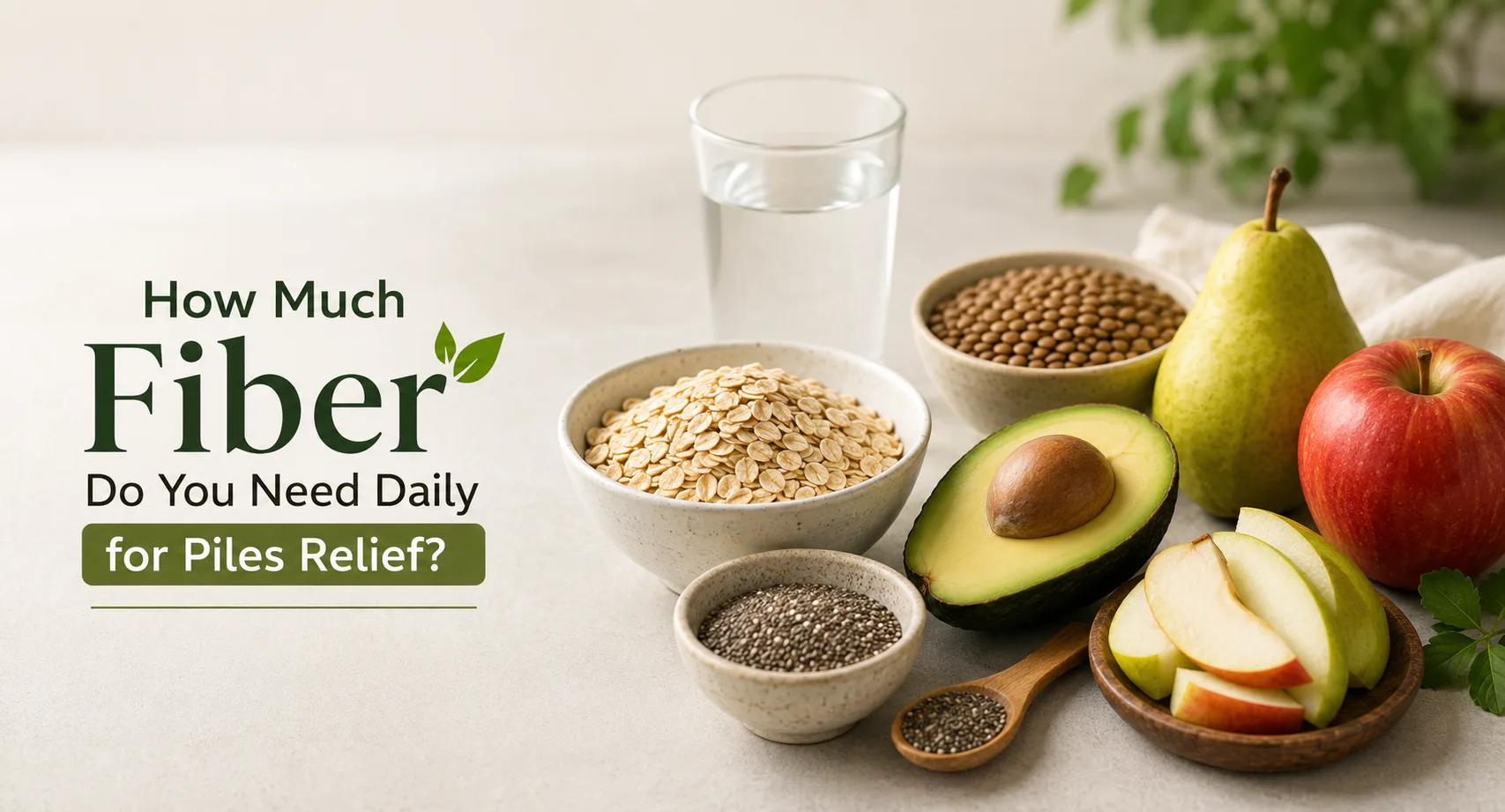
How Much Fiber Do You Need Daily for Piles Relief?
Optimizing your diet to include the right amount of fiber for piles relief is one of the most effective, doctor-recommended steps you can take to manage and prevent hemorrhoidal flare-ups. Dealing with the stinging pain, pressure, and frequent bleeding caused by piles makes every trip to the bathroom stressful. Fortunately, nutritional intervention offers a powerful solution.
By meeting a specific daily fiber intake for hemorrhoids, you can systematically transform your digestive health. Adding fiber changes hard, jagged waste into bulky, smooth stool material that passes effortlessly through the lower intestinal canal. This simple adjustment removes the friction that inflames your veins, giving your body the physical space it needs to rest, heal, and recover comfortably.
What Are Piles? The Role of Straining
Piles, medically known as hemorrhoids, are structurally swollen and engorged clusters of veins located within the lower rectal wall and around the anal opening. These veins function normally as soft blood vessels that help control bowel movements. However, when subjected to excessive, chronic abdominal pressure, they stretch out of shape, inflame, and can protrude externally (prolapse).
The leading driver of this increased pressure is chronic straining on the toilet, which is almost always caused by hard stools or low-grade constipation. When you push hard to pass waste, it acts like a clamp on your lower pelvic vessels, trapping blood in the rectal cushions until the tissue walls give way. Utilizing fiber for piles relief breaks this cycle by targeting the physical consistency of your waste.
What Kinds of Fiber Help With Hemorrhoids?
Not all dietary roughage functions the same way in your gut. To optimize your digestive system, it is vital to understand the difference between the two main types of fiber:
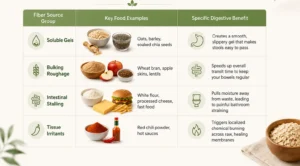
- Soluble Fiber: This type dissolves easily in water to form a soft, slippery, gel-like substance in your gut. It is widely considered the best fiber for piles because it acts as a natural cushion, ensuring your stool stays soft, hydrated, and pliable.
- Insoluble Fiber: This type does not dissolve in water; instead, it provides physical bulk to your waste material. It acts like a tiny broom that sweeps through your digestive tract, speeding up the overall transit time of waste to keep your bowels regular.
Top Fiber-Rich Foods for Easy Digestion
To naturally scale up your daily intake, focus your meals around high-quality, whole food ingredients. Incorporating these nutrient-dense options can keep your digestive tract running smoothly:
1. Whole Grain Oats and Barley
Starting your morning with oatmeal provides an exceptional amount of beta-glucan, a highly effective soluble fiber that forms a soothing gel throughout your intestines.
2. Soaked Chia Seeds and Flaxseeds
These tiny seeds are excellent soluble fiber sources. When soaked in water, they produce a smooth, protective coating that lubricates the lining of your intestines, shielding irritated hemorrhoidal tissues from friction.
3. Ripe Avocados
A single medium avocado provides roughly 10 grams of dietary fiber. They are also packed with healthy, anti-inflammatory fats that naturally lubricate your lower colon.
4. Pears and Apples (With Skin)
These fruits contain a natural soluble fiber called pectin, which draws moisture directly into the colon to keep stools soft. Always leave the skins on to get the maximum insoluble roughage benefits.
5. Legumes (Lentils and Chickpeas)
Lentils and split peas offer a great balance of both soluble and insoluble fibers. Keep them well-cooked and lightly spiced so they remain easy to digest without causing lower gas buildup.
The Target: Daily Fiber Intake for Hemorrhoids
To effectively manage piles, the general medical recommendation for daily fiber intake for hemorrhoids is 25 to 30 grams for women and 30 to 38 grams for men.
Can Fiber Remove Hemorrhoids Entirely?
It is important to manage your expectations: fiber alone cannot physically cut away or instantly remove structurally stretched out, third-degree prolapsed varicose veins. However, it can completely stop the heavy straining that causes hemorrhoids to flare up. By eliminating this pressure and ensuring smooth bowel movements, fiber reduces localized tissue inflammation and allows engorged veins to shrink down on their own, making you feel much more comfortable.
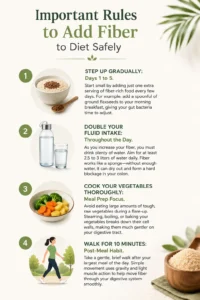
Important Rules to Add Fiber to Diet Safely
What to Avoid Eating If You Have Hemorrhoids
While focusing on fiber for piles relief, you should also remove inflammatory, constipating foods from your diet that can stall your digestion:
- Low-Fiber Refined Carbohydrates: Completely cut out white bread, white rice, commercial pastries, and processed fast foods, which slow down your digestion and lead to hard stools.
- Dehydrating Beverages: Limit drinks containing heavy alcohol or high levels of caffeine, which can dry out the lining of your colon.
- Intensely Hot Spices: Avoid foods heavily spiced with red chili powder or cayenne pepper. These spices do not break down fully in the stomach and can cause a painful burning sensation across healing tissues during elimination.
Finding long-term fiber for piles relief relies on a simple, consistent balance of nutrients. By meeting your daily fiber intake for hemorrhoids through healthy foods like oats, chia seeds, and fresh fruits, you can ensure your stools remain soft and easy to pass. Remember to introduce fiber into your meals gradually and pair it with plenty of water to protect your digestive tract from bloating. Steer clear of processed foods and harsh spices, listen to your body, and let these simple dietary changes restore natural comfort and regularity to your everyday life.