



How Chronic Stress Directly Affects Your Digestive System
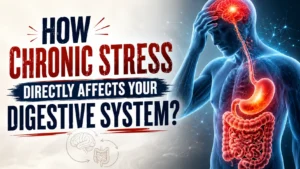
Stress Affects Your Digestive System in ways you can physically feel, like that unsettling, churning sensation right before a big meeting or the sudden loss of appetite after hearing tough news. These aren’t just mental reactions, it’s your brain triggering an alarm system that forces your gastrointestinal tract into a survival mode, completely altering how it functions.
While it’s easy to think of stress as something that only lives in your head, carrying that pressure around every day acts like a constant, physical assault on your gut.
Over a long period of time this “fight-or-flight gut” response will manifest as persistent abdominal pain triggered by stress, a ballooning and ever-bloated belly, bouts of acid reflux and any number of changes in bowel movements that disrupt everyday life. This kind of continuous breakdown usually translates into an vicious cycle that affects patients who have or are in recovery from piles (hemorrhoids) and causes frequent attacks of diarrhea alternating with bouts of constipation. Learning exactly how to address that impact that stress is the first, most effective step towards re-establishing peace in both body and mind.
Your Gut & Brain: What’s the Connection?
You can’t understand why your belly seems to react to the things you’re thinking about unless you have a closer look at the gut-brain axis. Your body has it’s very own central nervous system that is located in your digestive system called the enteric nervous system (ENS).
This ‘second brain’ consists of over 100 million nerve cells that run from your esophagus down to your rectum and this is what is called The Second Brain in scientists speak. It’s constantly transmitting messages through hundreds of billions of miles of nerves to the body’s real central nervous system, the actual brain, through the system of neurotransmitters and hormones that will create that bi-directional highway and so when anything happens in the head that will be broadcast into the gut within milliseconds.
The Fight-or-Flight gut reaction, what it is?
If your brain senses danger (a threat is looming and it is your spouse of boss), your sympathetic nervous system is stimulated, causing the “fight-or-flight” response. In response your body directs all available resources such as blood and oxygen to your heart, your lungs, your and large muscle groups of your legs and arms. Food digestion as it requires a huge supply of energy to occur – is thus a low priority when survival is at stake, so your body actually intentionally shuts it down.
Mental Stress / Anxiety —> Brain Triggers Fight-or-Flight —> Blood Diverted Away from GI Tract —> Digestion Stalls or Spasms
Several physiological changes also take place at the same time:
- Decreased Blood Flow to the Organs of digestion: There is significant decreased blood flow going to your gut and bowel and hence you end up with sub optimal nutrient and local tissue stimulation.
- Disruption in Motility: Rhythmic contractions of the GI muscles can either stop altogether(delayed food passage through the stomach and so constipation) or can be increased randomly(acute spasmodic diarrhea).
- Cessation in Enzymes: Your GI enzyme production and stomach acid output ceases altogether.
3 Chronic Stress-Related Problems That Mess with Your Gut
While this butterfly sensations in your stomach during acute stress is fleeting, unaddressed chronic stress over weeks to months can actually transform your gut health.
1. Muscle Spasms and How stress can contribute to stomachaches.
If your body is regularly inundated with stress chemicals like stress hormones (cortisol and adrenaline), it causes local spasms in the muscle walls that form your intestines and stomach, resulting in the cramping you can recognize as stress stomach pain. Stress also creates actual gut hyper-sensitivity, whereby your gut nerves become more aware of pressure within the stomach or bloating, translating it as sharp, abdominal pain.
2.The role of inflammation and what “leaky” guts truly means
Chronic stress erodes that defense barrier along your intestinal walls. Your intestinal lining gets compromised and allows undigested food particles along with unwanted bacteria to gnaw away at your delicate tissue below. That targeted inflammation then contributes to the diffuse bloating, food intolerances and breakdown of your helpful microbiome.
3. Straining & Hemorrhoid
As a matter of fact, day after day and in reaction to daily stresses we naturally tense the muscles of the pelvic floor. And when coupled together, for example, if you are experiencing stress-induced constipation, your effort is too strong and you are pushing down with too much force to have your bowel movement. All this pressure causes a focal swelling in the sensitive blood vessels of the anal canal which in most cases induces or aggravate hemorrhoids.
Effective remedies for a nervous stomach to regain harmony
In the event that you’re suffering with an overactive gut, it can be difficult just to fix everything to do with the gut and ignore any additional stress your stomach could be under as a result of it. However there are particular nervous stomach cures that could help to combat and relax your easily agitated central nervous system.
- Practice Deep Diaphragmatic Breathing Before Meals: Before You Eat Your Food You should spend at least two minutes deep breathing after food is brought to the table. It consists of putting one hand on your stomach and taking five to six slow and deep breaths where you intentionally puff up your stomach. It can send off an electrical signal to your vagal nerve, which triggers a safety signal to your brain, signaling to your body that it needs to be back in a state of rest and digestion.
- Soothing Herbal Teas: Drink the herbs warm soothing drinks naturally soothe the GI system Warm chamomile is a mild, natural anti-inflammatory that soothes the smooth muscles in the gut: ginger tea may quicken a backed-up system.
- Mindful Eating: Slow down while you eat. Eating while typing on your laptop, viewing shocking headlines online or sitting in your car aren’t exactly conducive to a pleasant digestive experience. Set aside your time for food only. Take your time chewing thoroughly. our stomach’s physical labor decreases as a result.
- Be Kind to Your Movement: A heavy, exhausting workout can sometimes feel like more physical stress. Instead, try gentle restorative movement (a short 20-minute evening walk, a little swim, restorative yoga practice) that supports the natural rhythm of your body’s movement and digestive function without increased cortisol release.
Direct Impact of Stress on Digestion
| Digestive Stage | Normal State (“Rest & Digest”) | Stressed State (“Fight-or-Flight”) |
| Stomach Acid | Balanced production for easy digestion | Deficient, leading to acid reflux and heavy feeling |
| Gut Motility | Smooth, rhythmic wave-like contractions | Lazy (causing constipation) OR chaotic (causing diarrhea) |
| Pelvic Floor | Completely relaxed during elimination | Chronically tensed, leading to painful straining and piles |
| Blood Supply | Rich and optimized for nutrient uptake | Severely restricted, causing cramping and inflammation |
There’s no escaping the connection between your mind and your gut. If there is any place in your body that reflects the rate of stress in your day, it is your entire digestive system. Understand your stress-induced digestive imbalances and cease to believe your belly woes have nothing to do with your mind. Slowness, space and deliberate soothing can work to quiet your thoughts and your gut and restore much-needed circulation, relaxation and normalcy to your insides.