



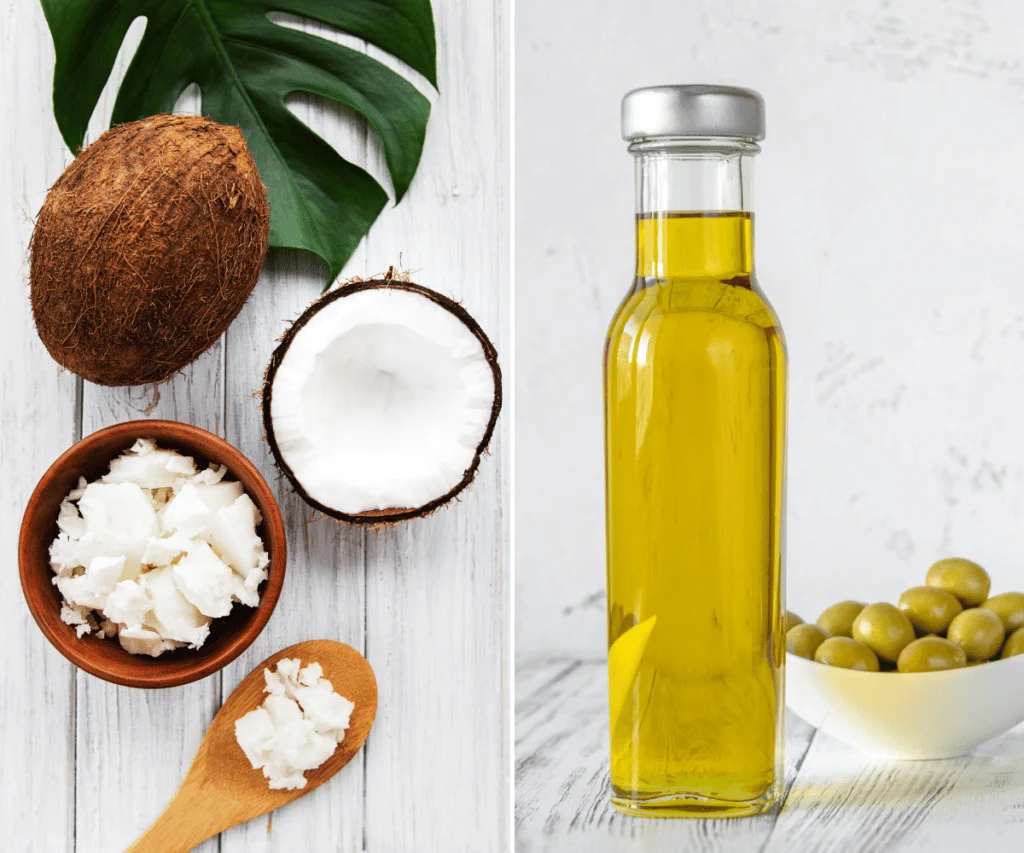
Quick Answer: Which is Better? For immediate relief from the itching of piles (known as Bawasir in Hindi and Urdu, Moolvyadh in Marathi, Moolam in Tamil, and Haras-Massa in Gujarati), virgin coconut oil is the better choice. It has natural antibacterial properties and stays semi-solid at room temperature. This creates a thick, soothing barrier over the skin that stops friction and calms the itch. Olive oil is also helpful, but it works best as a mild lubricant to make bowel movements less painful rather than a direct anti-itch treatment.
When dealing with piles, the constant itching and burning can ruin your entire day. Many people look to their kitchen pantries for safe, natural relief. Coconut oil and olive oil are the two most popular home remedies for this issue. Both are safe for sensitive skin, but they work in very different ways.
Here is exactly how to choose between the two and how to use them effectively, based on natural healing principles from PilesRemedy.
Why Coconut Oil Wins for Itch Relief
Virgin coconut oil is highly effective for external piles. If your main symptom is a sharp, constant itch, this is the oil you should reach for first.
- Creates a Physical Barrier: Unlike most oils, coconut oil is solid at temperatures below 76°F (24°C). When you apply it, it melts slightly but leaves a protective coating over the piles. This stops your clothing or toilet paper from rubbing against the raw skin.
- Fights Bacteria: The oil contains high levels of lauric acid. This naturally stops bacteria from multiplying, which keeps the area clean and prevents the itching from getting worse.
- Reduces Swelling: Coconut oil has natural cooling properties that soothe the skin and reduce the size of swollen blood vessels.
When to Choose Olive Oil
Extra virgin olive oil is liquid at room temperature. It does not provide the same thick, protective coating as coconut oil, but it excels in other areas of managing piles.
- Friction Reduction: If going to the bathroom is painful, dabbing a small amount of olive oil on the area beforehand acts as a gentle lubricant. This helps stool pass without tearing the skin or causing the piles to bleed.
- Skin Repair: Olive oil is packed with Vitamin E. This helps repair cracked, damaged skin over a longer period.
- Internal Softening: Taking a tablespoon of olive oil by mouth every morning can soften your stool from the inside out, fixing the root cause of the straining.
Side-by-Side Comparison
| Feature | Virgin Coconut Oil | Extra Virgin Olive Oil |
| Best Used For | Stopping intense itch and swelling | Lubricating before a bowel movement |
| Texture | Semi-solid (melts on contact) | Liquid |
| Protective Barrier | Strong | Weak |
| Application Method | Apply directly to external piles | Apply externally or take by mouth |
Step-by-Step Application Guide
If you want to try either of these oils, you must apply them correctly to avoid introducing dirt to the sensitive area.
- Clean the area: Take a warm 10-minute sitz bath or a quick shower.
- Dry gently: Pat the skin completely dry with a soft, clean cotton towel. Never wipe or rub the piles.
- Wash your hands: Scrub your hands with soap and warm water.
- Apply the oil: Take a pea-sized amount of your chosen oil on your finger. Gently dab it directly onto the external piles. Do not push or press hard.
- Repeat: Apply the oil two to three times a day, and always reapply after you have a bowel movement and clean the area.
For fast itch relief, keep a small jar of virgin coconut oil in your bathroom. Use extra virgin olive oil as a backup for bathroom lubrication. You can explore more natural healing methods and diet changes on PilesRemedy.
 Written by Piles Remedy Editorial Team - Health Editor3 years Experience in Healthcare blogging
 Reviewed by Dr. Sumukhi Ravi - Ayurvedic surgeon and proctologist, BAMS, MS in Shalya Tantra (Ayurvedic surgery), KAUP 41363Dr. Sumukhi Ravi is an Ayurvedic surgeon who completed her MS in Shalya Tantra — the surgical branch of Ayurveda — and practises full-time in ano-rectal care at Jayanagar 9th Block. She works principally with Kshara Sutra and Kshara Karma, the para-surgical techniques described by Sushruta, and has published two first-author case reports on Ayurvedic wound healing.
