


What Is the Best Medicine for Piles Pain Relief?
Finding the best medicine for piles pain relief is essential when sharp burning, intense throbbing and persistent swelling make everyday activities like sitting, standing or going to the bathroom feel overwhelming. Piles (hemorrhoids) develop when the blood vessel cushions lining the lower rectum and anal canal become engorged and inflamed. Whether triggered by chronic constipation, heavy straining or prolonged sitting, finding fast relief requires a clear, targeted approach.
Fortunately, a combination of over-the-counter (OTC) treatments oral medications and targeted home remedies can soothe raw, tender tissue and reduce swelling. Understanding how these therapies work allows you to choose the most effective combination for your specific symptoms, providing fast relief while helping your lower digestive tract heal naturally.
Understanding Piles Stages and Pain Triggers
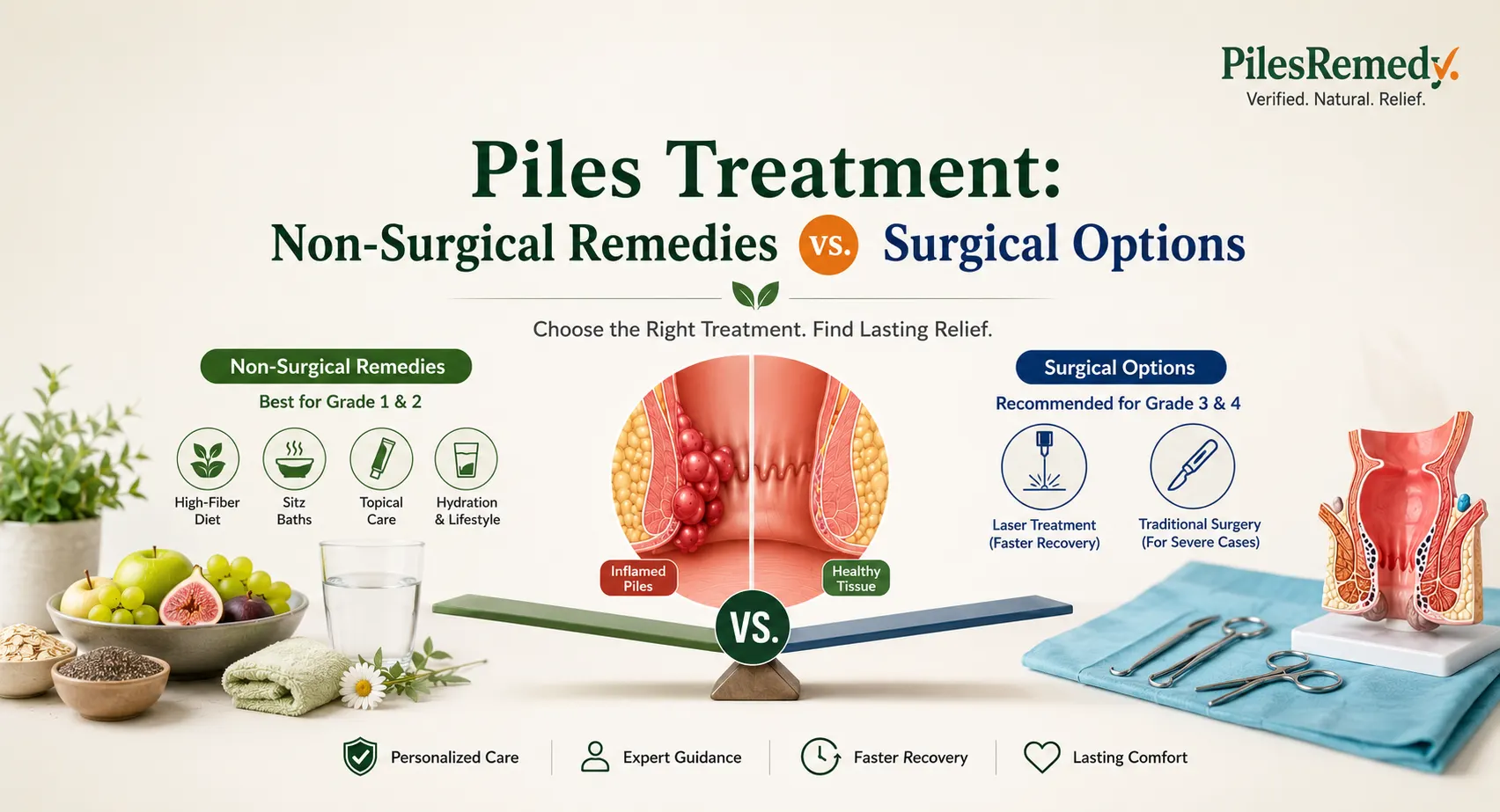
Hemorrhoids are categorized into four distinct clinical stages based on their physical severity and degree of prolapse:
- Stage 1: Small internal blood vessels that inflame and may bleed during bowel movements, but do not slip outside the anal opening.
- Stage 2: Internal hemorrhoids that prolapse externally while straining, but naturally slide back into place on their own.
- Stage 3: Prolapsed hemorrhoidal cushions that remain outside after a bowel movement and require gentle manual pushing to reposition.
- Stage 4: Permanently prolapsed, swollen tissue masses that cannot be manually pushed back in and are at high risk for blood clotting (thrombosis).
Pain usually peaks when external tissues become swollen or stretched by hard stool material. Taking early action with targeted medications helps stop this cycle of tissue friction and inflammation.
Top-Rated Pain Relief Medications
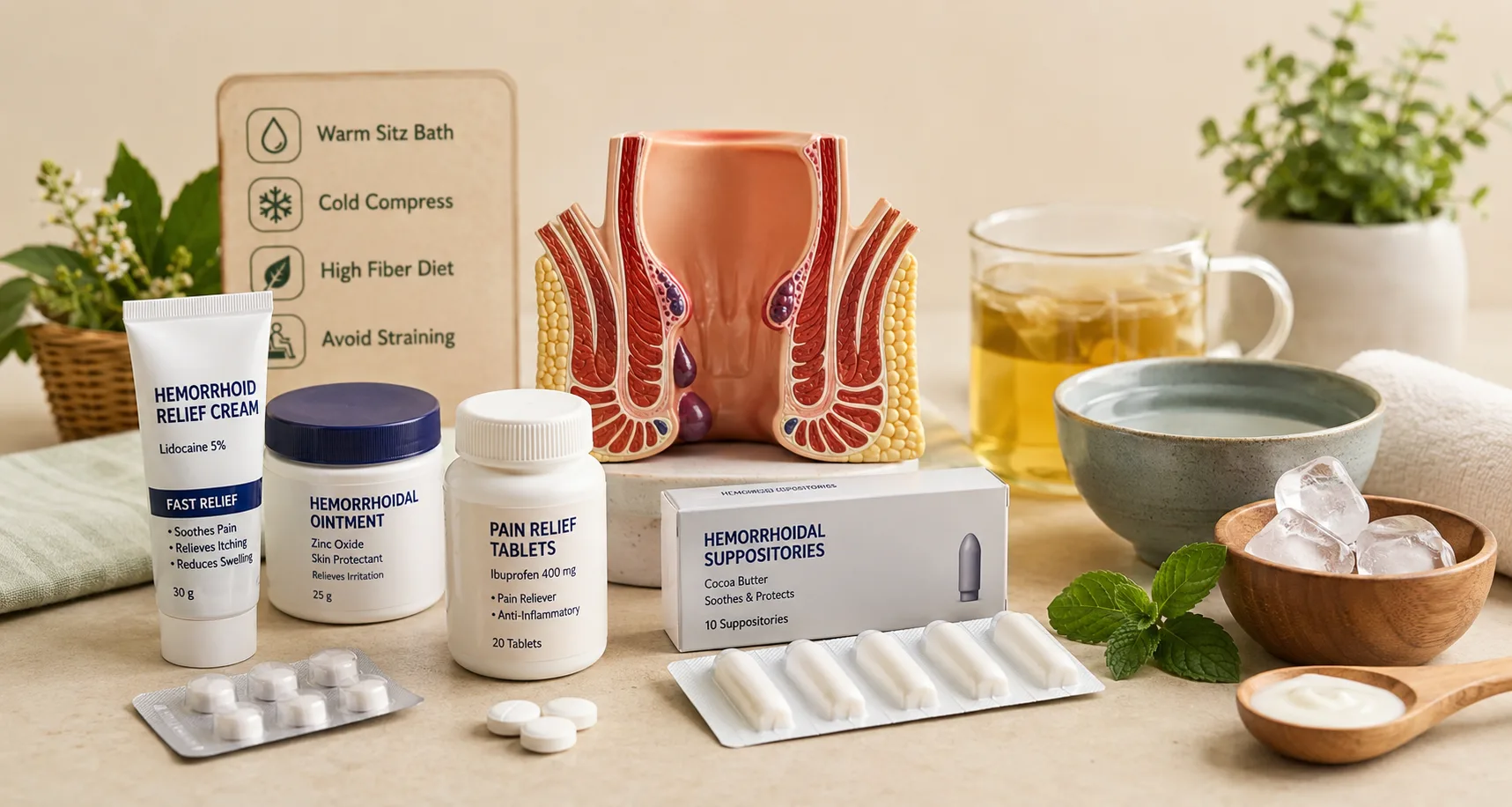
Combining oral pain relievers with localized topical treatments provides the most comprehensive approach to finding the best medicine for piles pain relief:
1. Topical Anesthetic Creams for Hemorrhoids
Formulations containing Lidocaine (2% to 5%) or Pramoxine Hydrochloride act directly on local nerve endings to temporarily numb sharp stinging, burning and itching. They provide rapid, targeted relief during acute flare-ups.
2. Vasoconstrictor Ointments
Products containing Phenylephrine Hydrochloride contract swollen blood vessel walls, helping to physically shrink engorged tissue lumps. A quality ointment for hemorrhoid pain relief often combines a vasoconstrictor with a protective agent like zinc oxide, which shields delicate skin from moisture and friction.
3. Painkiller Tablets for Piles Pain
Non-steroidal anti-inflammatory drugs (NSAIDs) such as Ibuprofen or Naproxen help reduce systemic inflammation and ease deep pelvic aching. For those with sensitive stomachs, Acetaminophen (Paracetamol) provides effective pain relief without irritating the gastric lining. Always consult a physician before using oral pain relievers and avoid aspirin if you are experiencing active rectal bleeding.
4. Medicated Suppositories
For internal hemorrhoids, suppositories containing Hydrocortisone or soothing cocoa butter deliver active ingredients directly to the inflamed lower rectal mucosa, helping to reduce internal swelling and ease discomfort during bowel movements.
Ayurvedic vs. OTC Medicine for Piles Pain
When comparing Ayurvedic vs OTC medicine for piles pain, both medical systems offer unique therapeutic benefits depending on your recovery goals:
| Feature | Over-the-Counter (OTC) Medicines | Traditional Ayurvedic Medicines |
| Primary Action | Fast, temporary numbing and rapid tissue shrinkage | Gradual digestion tuning and root-cause balance |
| Key Ingredients | Lidocaine, Phenylephrine, Hydrocortisone, Zinc Oxide | Triphala, Abhayarishta, Guggulu, Nagkesar |
| Best Used For | Immediate relief during acute, intense flare-ups | Long-term gut health and preventing constipation |
| Application Style | Numbing creams, barrier ointments, rectal suppositories | Oral herbal teas, powders and warm herbal sitz baths |
Fastest Way to Relieve Piles Pain at Home
If you are looking for the fastest way to relieve piles pain at home, implementing these evidence-based care steps can soothe irritated tissues and reduce pain quickly:
1.Take a Warm Sitz Bath: 15 to 20 Minutes.
Sit in a shallow tub of plain warm water two to three times a day. The soothing warmth relaxes the internal anal sphincter muscle, immediately relieving the painful throbbing spasms that restrict local blood flow.
2.Use Cold Ice Packs: Apply for 10 Minutes.
Apply a clean, ice pack wrapped in a soft cloth directly to the inflamed area for 10 minutes at a time. The cold temperature numbs sharp nerve pain and helps reduce local tissue swelling.
3.Apply Topical Anesthetic Cream: Immediately After Cleansing.
Gently pat the area completely dry with a soft towel, then apply a thin layer of lidocaine cream or zinc oxide ointment to shield the raw skin from friction.
4.Practice Safe Toilet Habits: Throughout the Recovery Period.
Avoid sitting on the toilet for longer than 5 minutes at a time. Use a small footstool to elevate your knees above your hips, which aligns the rectum naturally and eliminates the need to strain.
When to Consult a Clinician
While over-the-counter options provide excellent temporary relief, you should seek immediate evaluation from a qualified proctologist or physician if you notice any of the following warning signs:
- You experience heavy, continuous or dark rectal bleeding during bowel movements.
- Your pain remains severe and unmanageable after one week of using over-the-counter creams and warm sitz baths.
- An external hemorrhoid suddenly turns a dark blue or purple color and feels hard and extremely tender to the touch (indicating a thrombosed hemorrhoid).
- Your symptoms are accompanied by a high fever, localized pus discharge or severe chills.
Choosing the best medicine for piles pain relief depends on matching the right treatment to your specific symptoms. Topical anesthetic creams containing lidocaine, vasoconstrictor ointments and oral anti-inflammatory medications offer rapid, reliable relief during acute flare-ups. Combining these treatments with warm sitz baths, high-fiber foods and proper hydration helps address the root causes of inflammation. If your pain persists or is accompanied by heavy bleeding, consult a qualified healthcare provider to build a personalized, long-term recovery plan.